
iBike - Redefining Cycling Experience

Executive Summary
Addressing the critical issue of cyclist safety in Melbourne, the iBike Ride App was developed to reduce accidents and foster a safer cycling environment. As a key project for Monash University's Industry Experience unit, our team utilized an agile approach to deliver a functional and user-centric solution over a 12-week period.
About iBike
Design Process
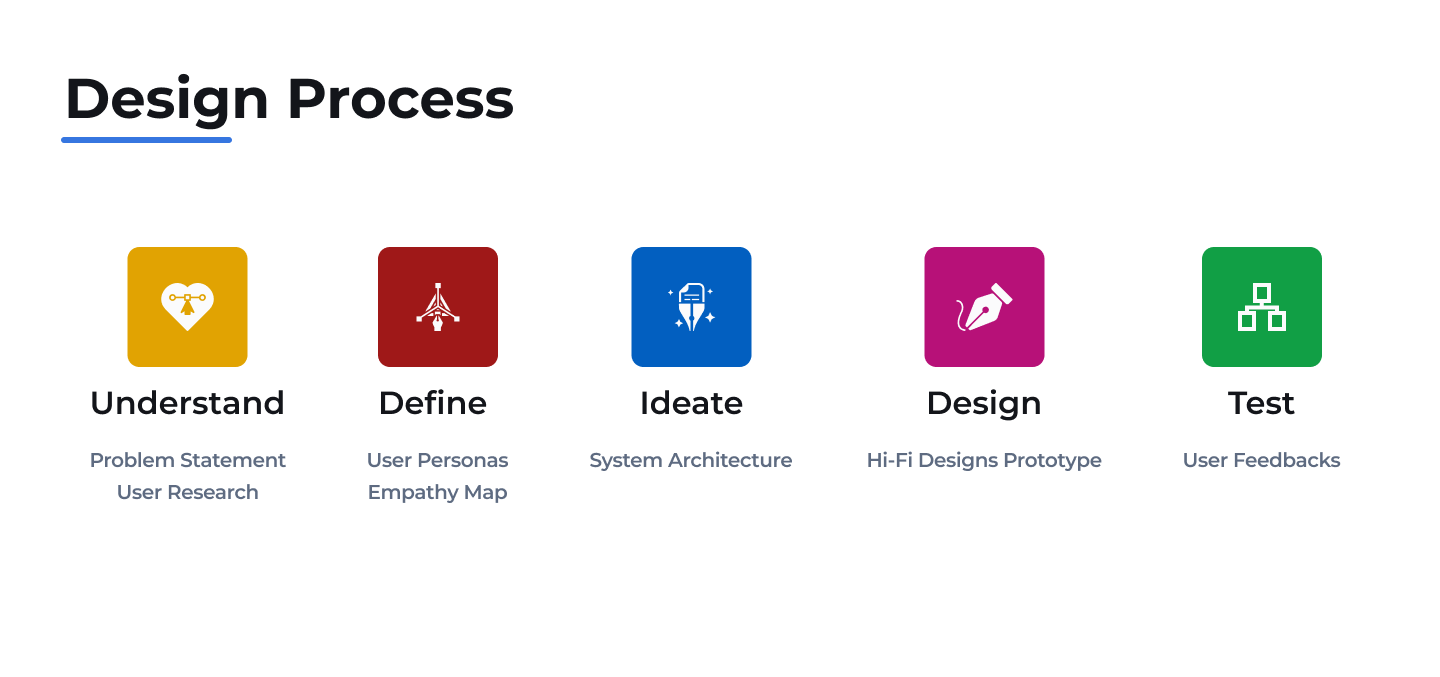
Figure 1: Design Process & Logic Flow
The Problem
Cyclist safety in Melbourne is a growing concern, with 55 deaths in the last five years due to shared roads and lack of infrastructure. The city aims to reduce accidents by 80% by 2030.
Challenge: How might we develop simple and effective ways to make daily commuting safer for Melbourne's cyclists?
The Solution
iBike is a user-friendly mobile application that provides accident-prone zone alerts, calorie tracking, real-time location sharing, and voice-assisted navigation to ensure a safer ride.
Role & Contributions
Role: Lead Business Analyst & UX Designer
I bridged the gap between client requirements and technical implementation, ensuring the final product aligned with business goals and user needs.
- Requirements Elicitation: Conducted stakeholder interviews and surveys to gather functional and non-functional requirements.
- System Architecture: Designed the system architecture diagram to visualize the application structure and data flow.
- User Story Mapping: Prioritized requirements using the MoSCoW method and translated them into INVEST-compliant user stories.
- UX Research & Analysis: Created Empathy Maps and User Journey Maps to understand user pain points and behaviors.
- Testing & Compliance: Conducted User Acceptance Testing (UAT) and developed privacy policies to ensure Apple App Store compliance.
- Agile Facilitation: Led sprint planning, daily stand-ups, and retrospectives to ensure timely delivery.
Target Audience Analysis
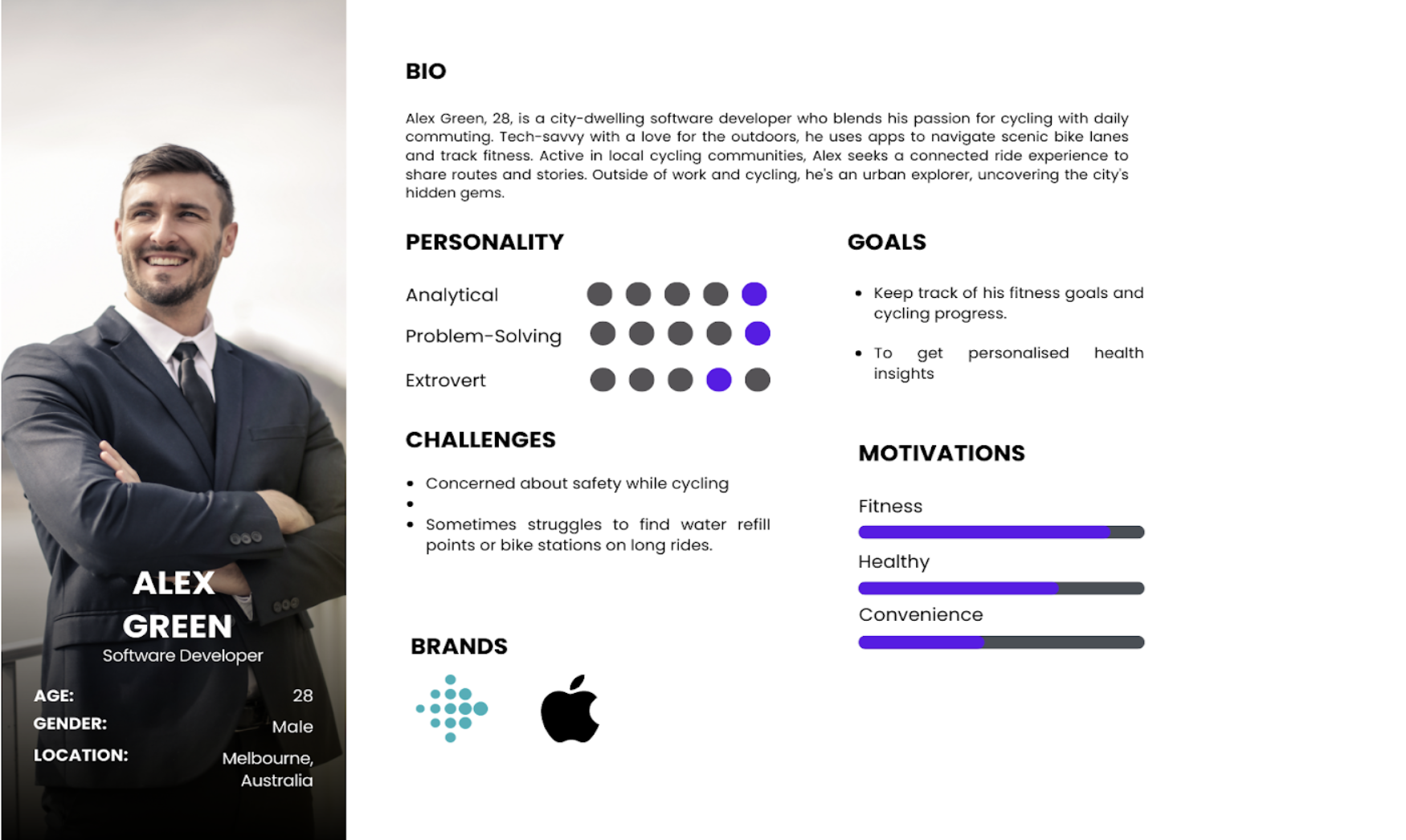
Based on our research, we identified Alex as our primary persona. This user values efficiency but prioritizes safety above all else.
Requirements Engineering
We utilized the Agile methodology to manage requirements. Below is a sample of the high-priority user stories and acceptance criteria that guided our development.
| User Story | Acceptance Criteria | Priority |
|---|---|---|
| As Alex, I want to be alerted of high-risk zones so that I can avoid accidents. |
1. System detects user location within 500m of a blackspot. 2. Audio alert triggers ("Caution: High Risk Zone"). 3. Visual notification appears on map. |
High |
| As Alex, I want to share my live location so that my family knows I am safe. |
1. User can select a contact from phonebook. 2. SMS sent with a unique tracking link. 3. Link opens a real-time map view. |
Medium |
Agile Execution
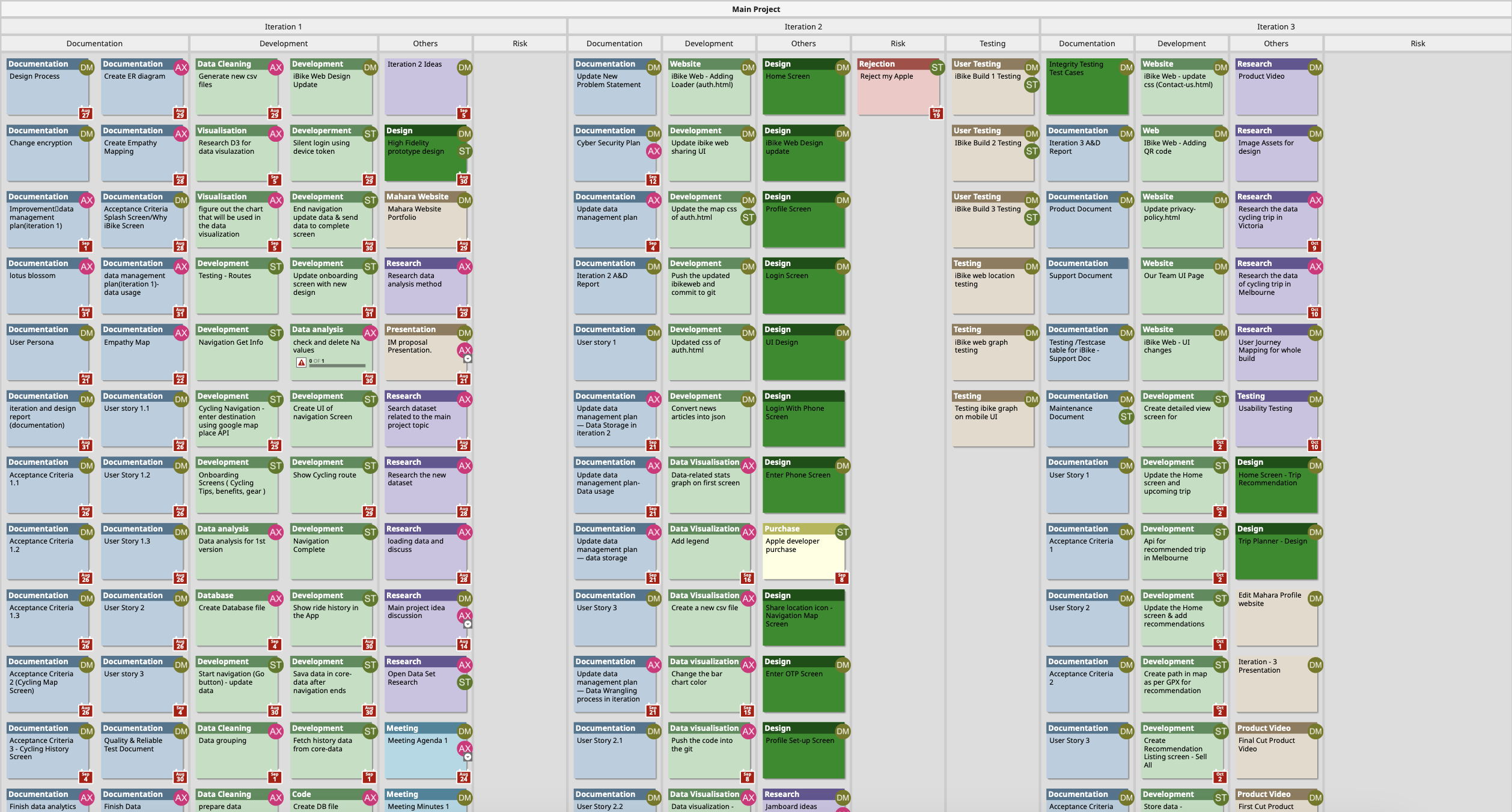
We utilized a Kanban board AgilePlanView to manage tasks and ensure continuous delivery. The team operated in 2-week sprints with regular client check-ins.

Interactive Prototype
Conclusion
The iBike project successfully demonstrated how data-driven requirements and user-centered design can solve real-world safety problems. The final product received positive feedback at the expo for its intuitive interface and practical safety features.